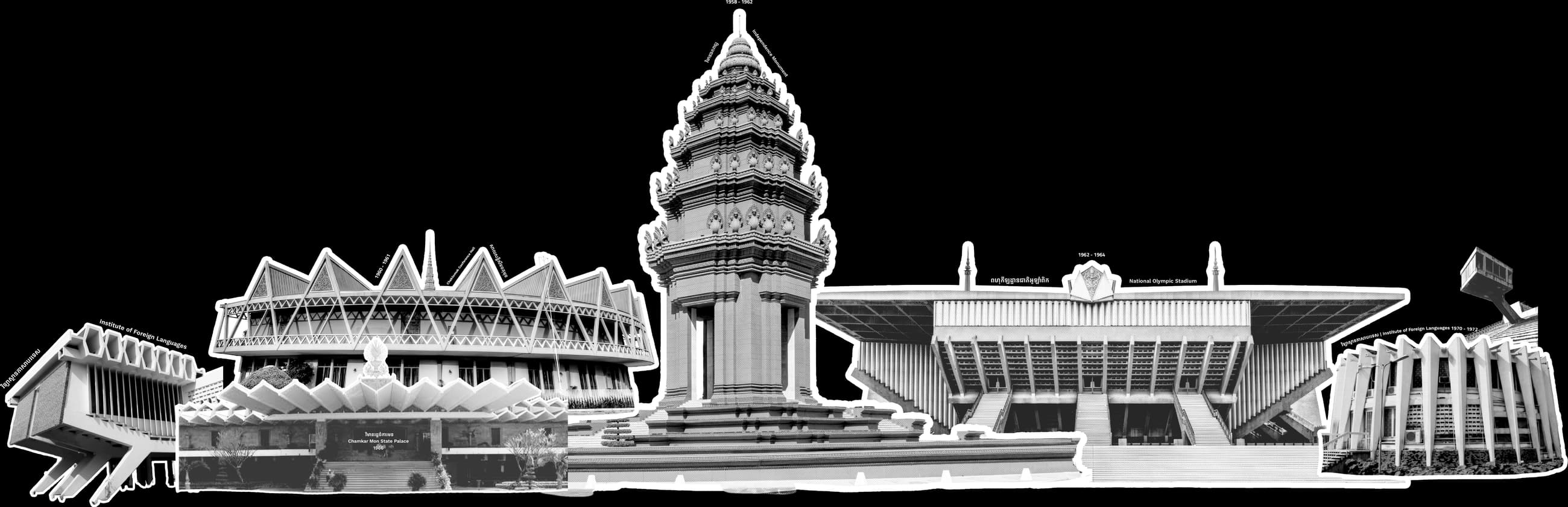

Chapter 03
Cambodia & France
Two centuries of ties between Cambodia and France, the reigns that shaped them, and the buildings they left behind.
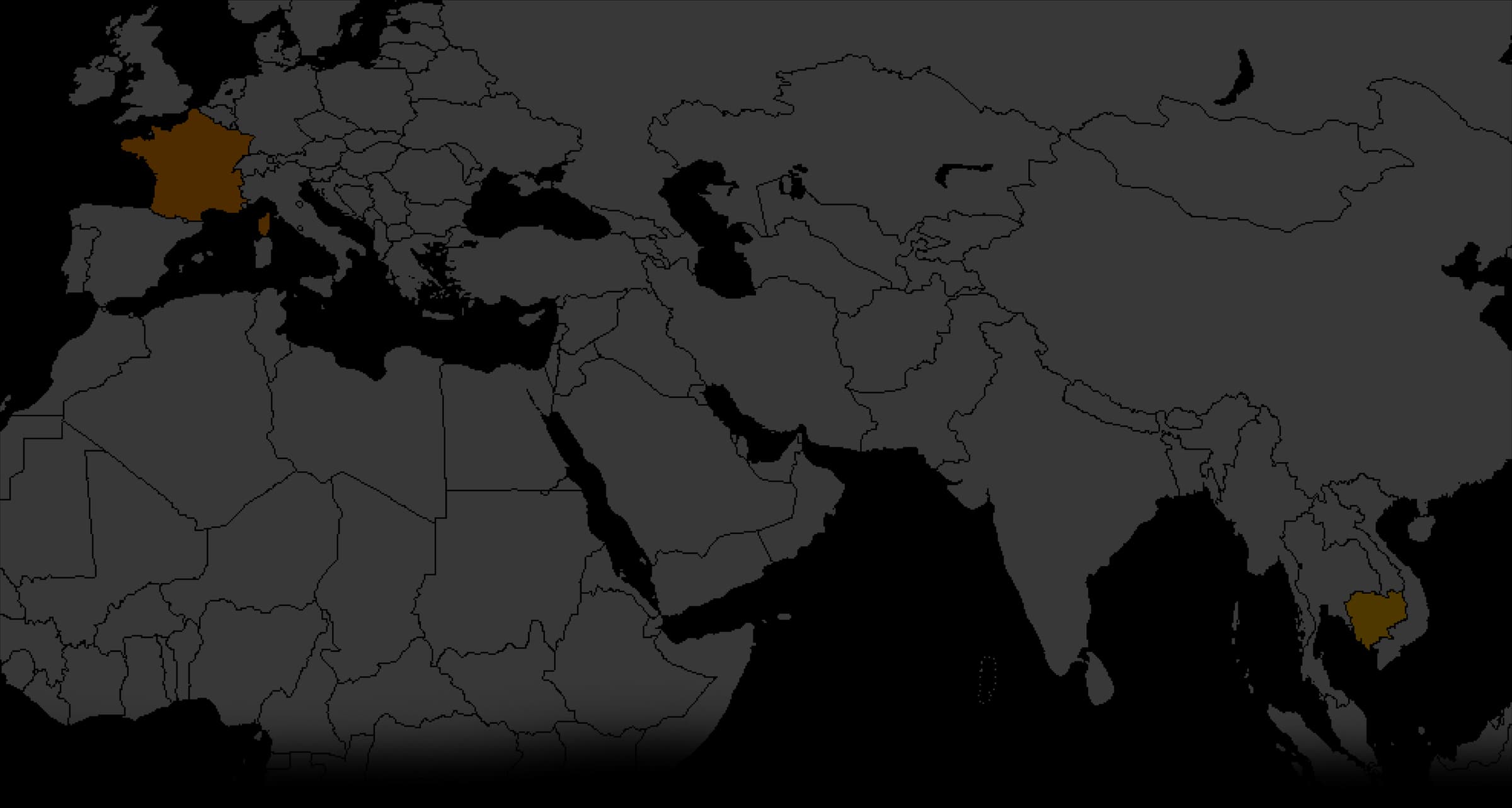
Cambodia–France Relations
Cambodia and France share longstanding historical ties spanning nearly two centuries. Relations date back to 1853, during the reign of King Ang Duong, whose diplomatic engagements with France led to a period of French protection from 1863 to 1953 and continues today through bilateral engagements in cultural, political, and economic affairs, as well as development cooperation.
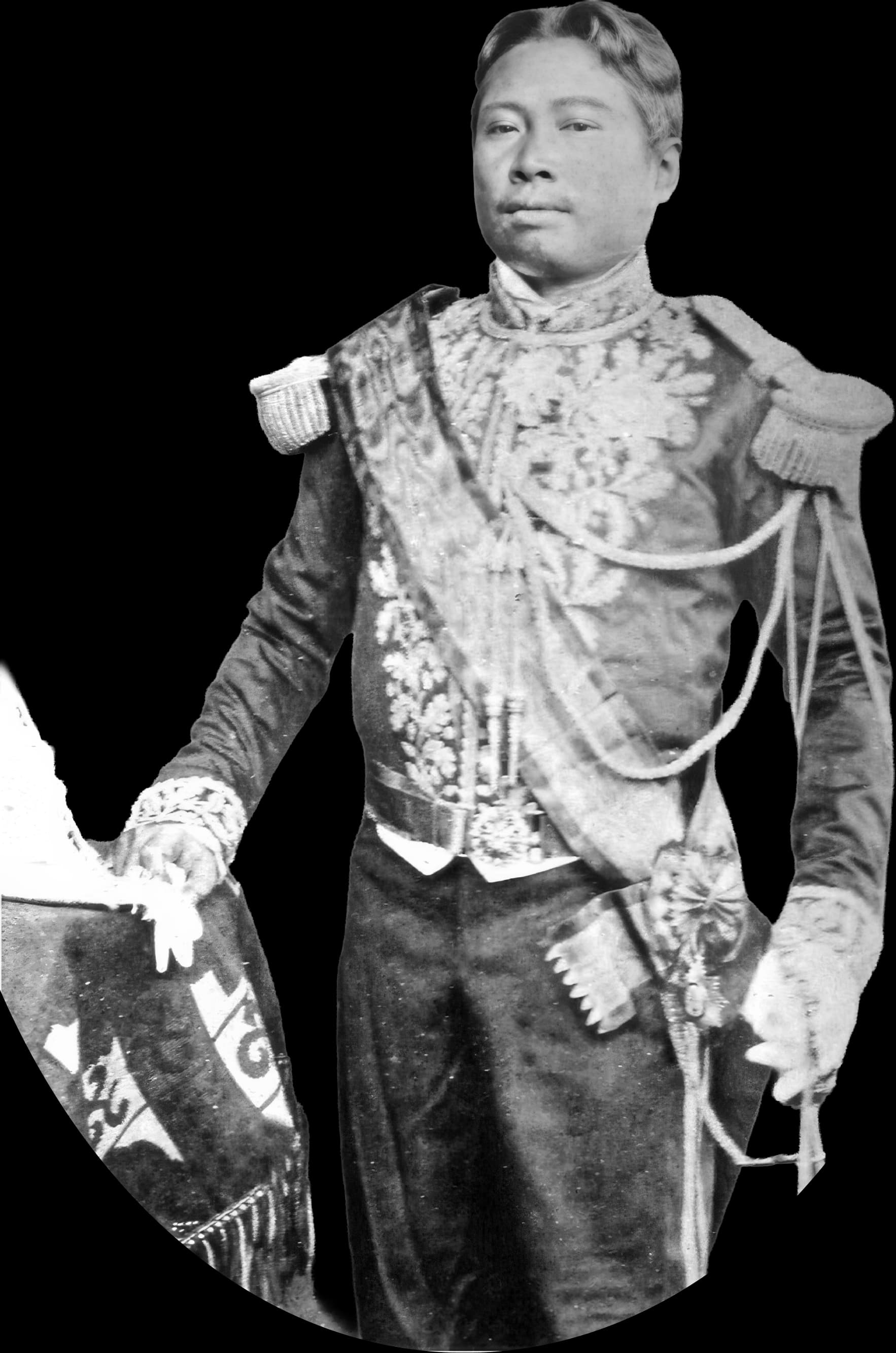
Portrait of King NorodomKing Norodom1869 – 1904 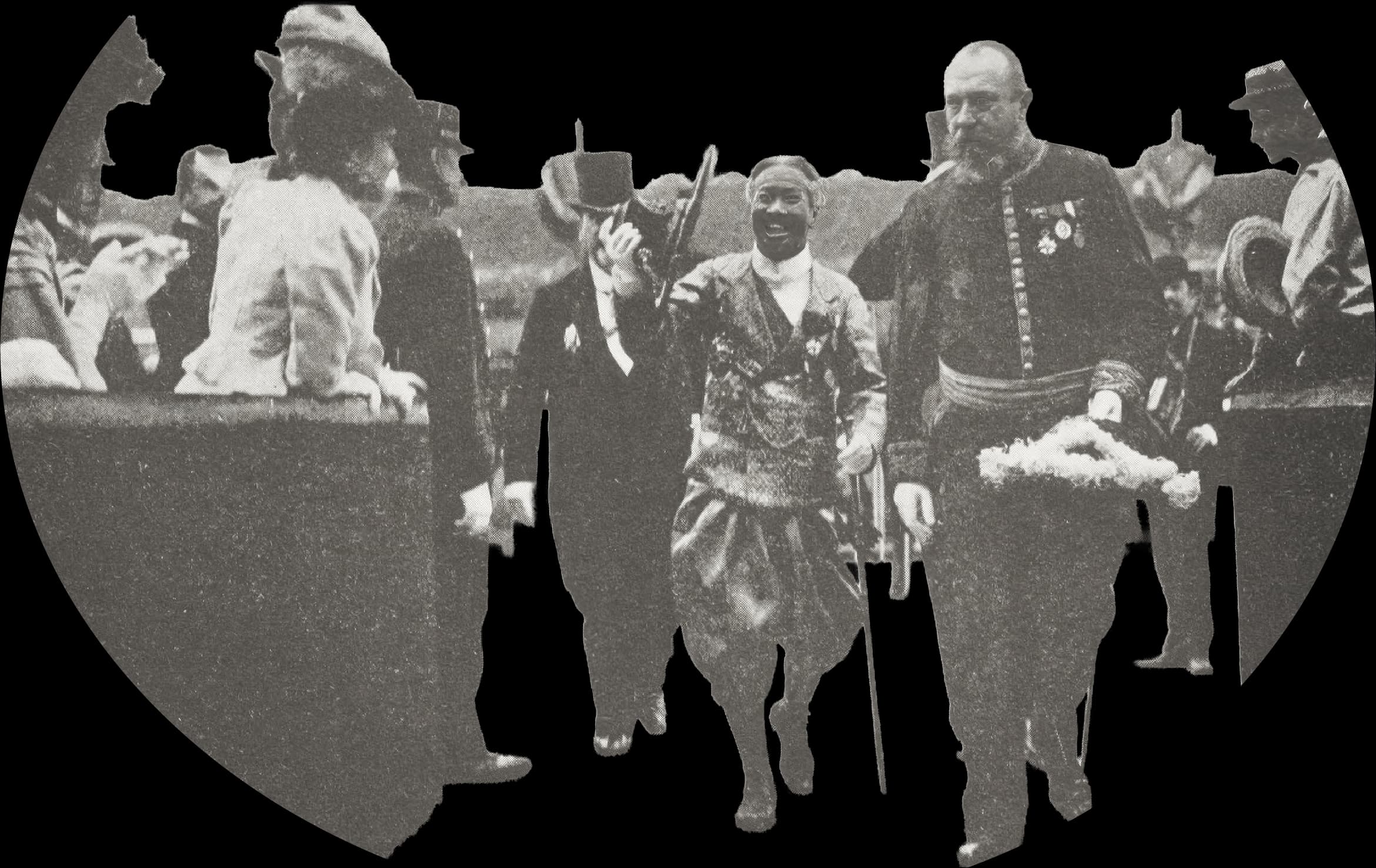
King Sisowath visited France from June 10 to July 20, 1906.King Sisowath1904 – 1927 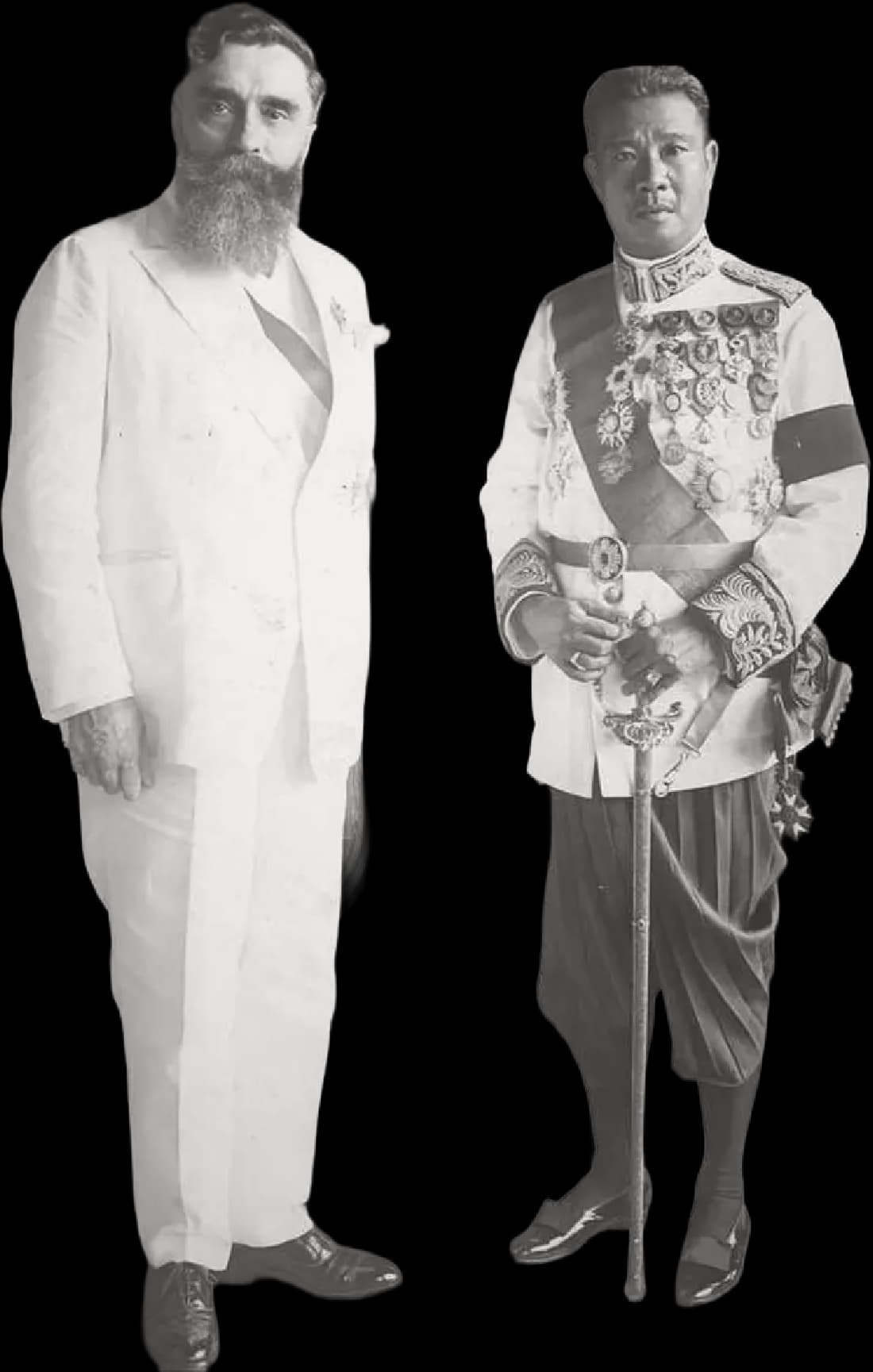
Alexandre Varenne and King Sisowath MonivongKing Sisowath Monivong1927 – 1941 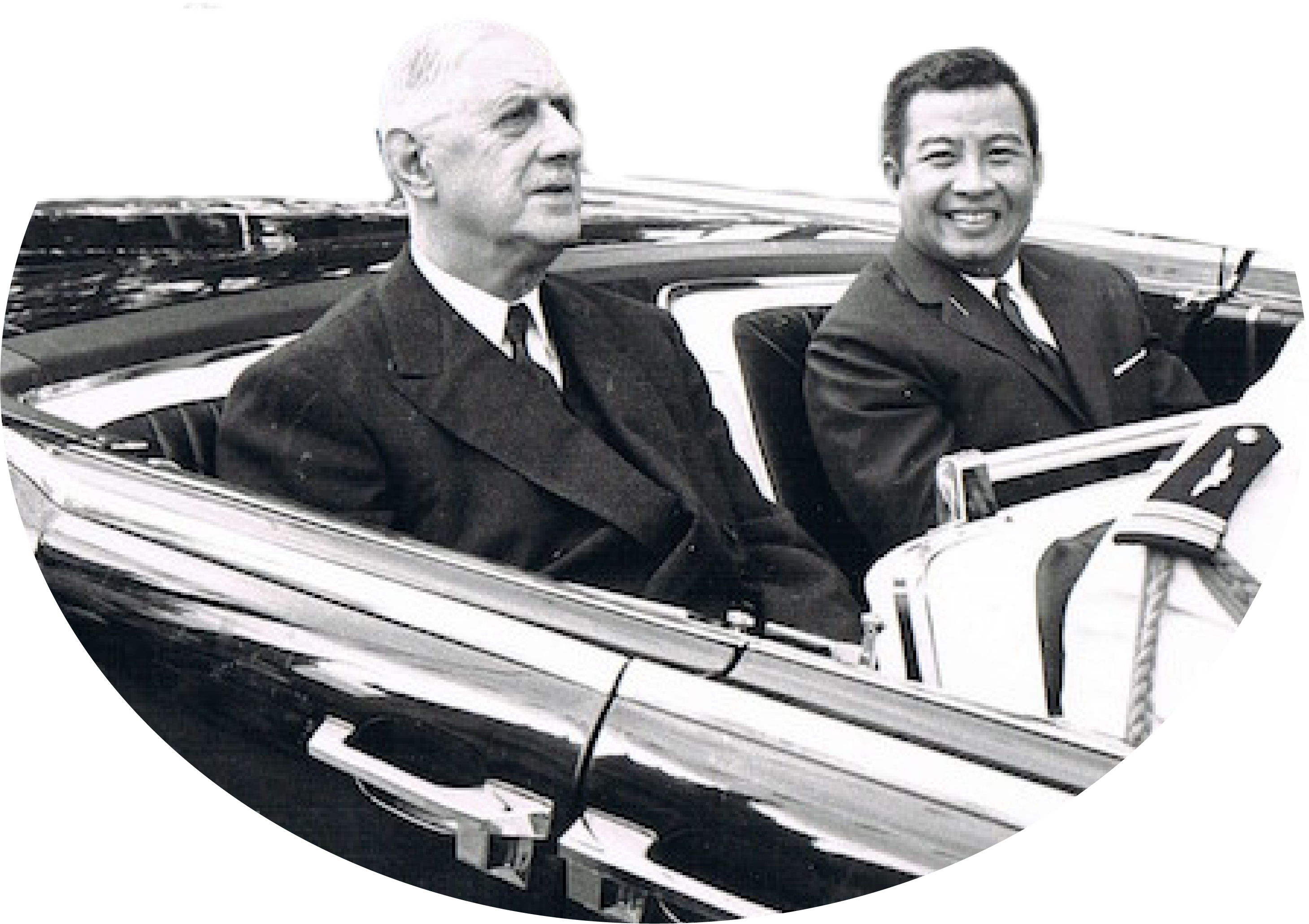
King Norodom Sihanouk accompanies French President Charles de Gaulle during his official visit to Phnom Penh, Cambodia, 1966King Norodom Sihanouk1941 – 1955 (1st reign)
Cambodia–France Relations in Architecture
Franco-Khmer relations also extended to architecture and construction, as reflected in residential properties, government buildings and numerous historic structures. Phnom Penh, Battambang, Kampot, Kep and Kratie contain the highest concentrations of architecture from the French Protectorate period. There are approximately 523 such sites in Phnom Penh and more than 800 buildings in Battambang province, around 500 in Kampot, and almost 100 buildings in Kratie province. These structures reflect the introduction of engineering knowledge and Western approaches to modernisation in the region, particularly Cambodia.
Economic Development and Infrastructure
France helped construct roads, bridges, railways serving Phnom Penh, Battambang and Saigon (present day: Ho Chi Minh City), ports, public buildings and other infrastructure. These developments transformed Phnom Penh from an urban settlement into a well-planned capital characterised by European-style architecture and broad boulevards. In the economic sphere, France introduced new crop varieties and agricultural techniques, including those used in rubber cultivation.
Society and Culture
France influenced Khmer society and culture through the use of the French language and the introduction of French culture and values in schools and the press. Preah Sisowath High School in Phnom Penh was a centre of French-style education that educated many prominent members of the Cambodian elite at the time. They spoke French fluently, embraced progressive ideas and adopted Western ways of thinking. France also played an important role in conserving Cambodia’s cultural heritage through the work of the École française d’Extrême-Orient (EFEO), or French School of Asian Studies. From the beginning of the twentieth century, the institution conducted extensive research into Khmer history and architecture. French scholars and archaeologists such as Étienne Aymonier and Henri Marchal played leading roles in documenting and restoring ancient Khmer temples, including Angkor Wat and Angkor Thom.
Overall, the French Protectorate period left Cambodia with a legacy that included the preservation of the monarchy and territorial integrity, as well as developments in infrastructure, legal institutions and education, the advancement of archaeological research and the restoration of ancient Khmer temples.
From the French Protectorate
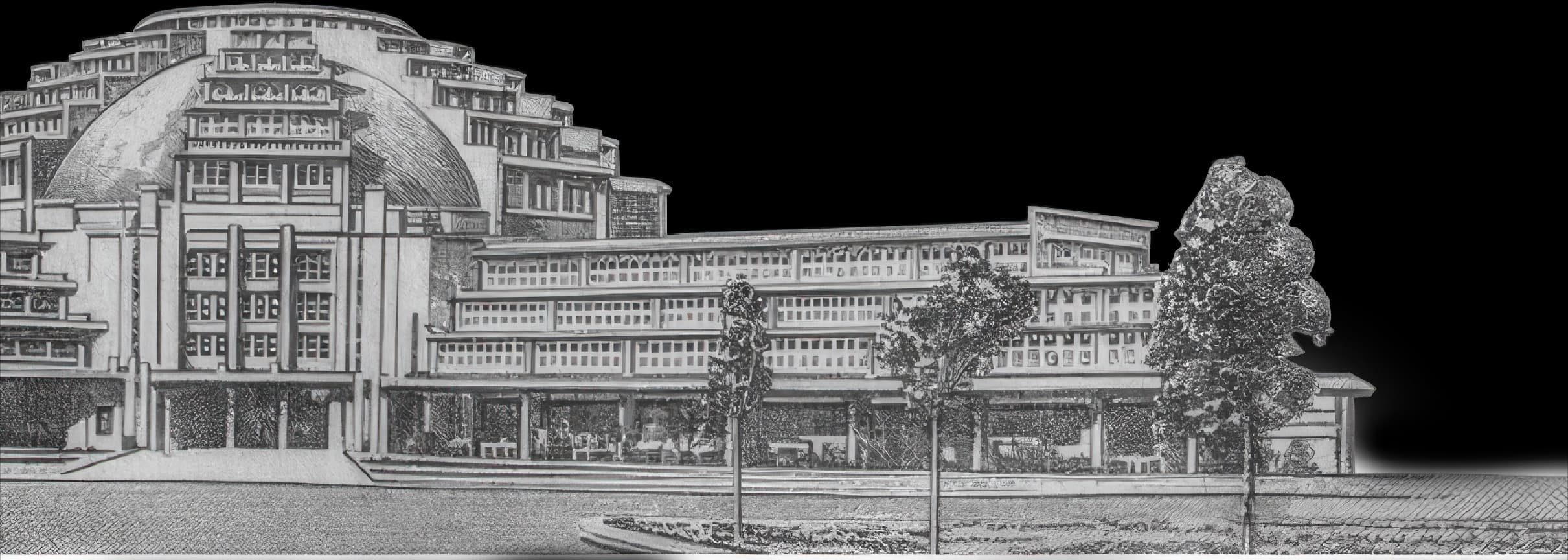
Central MarketPhnom Penh1935 – 1937 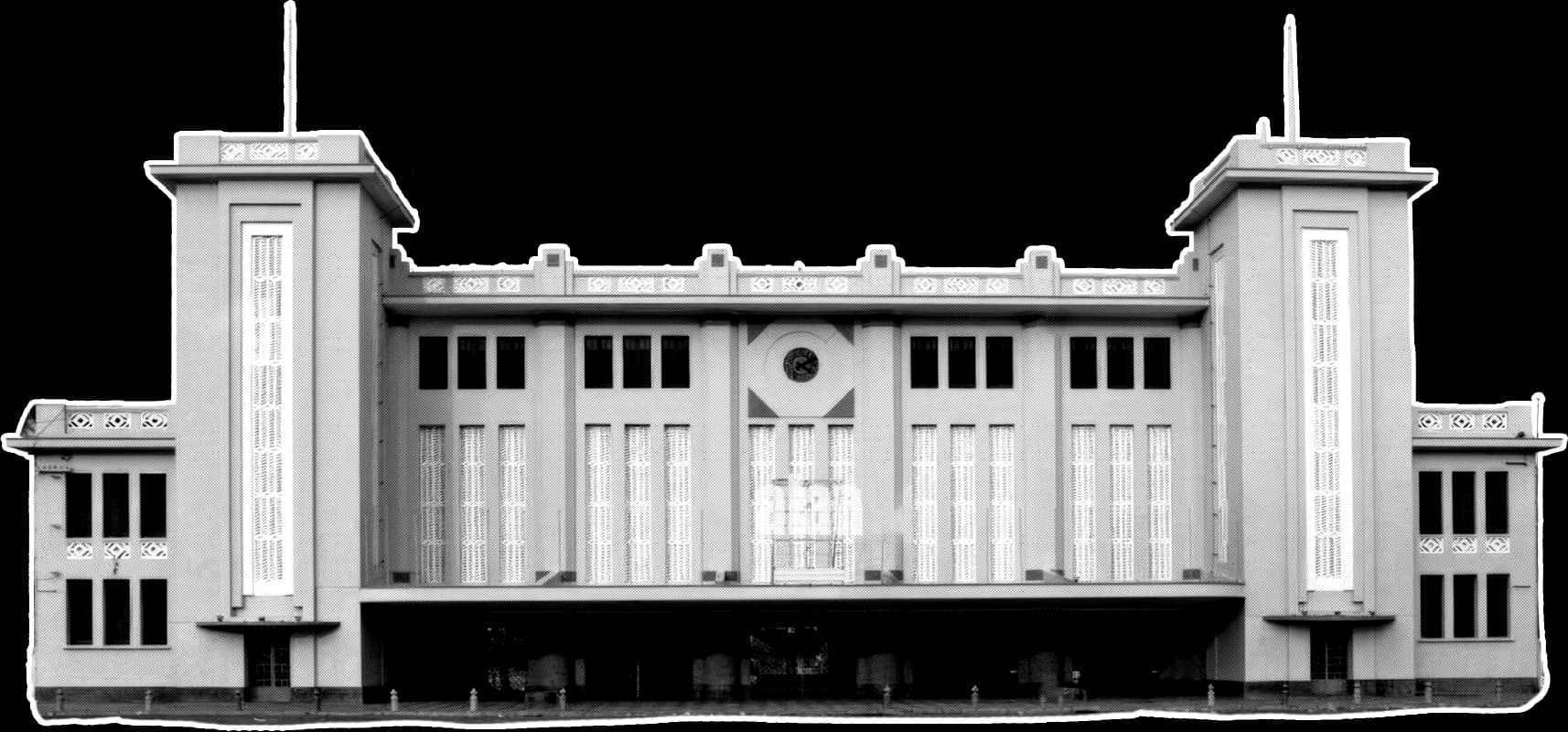
Railway StationPhnom Penh1932 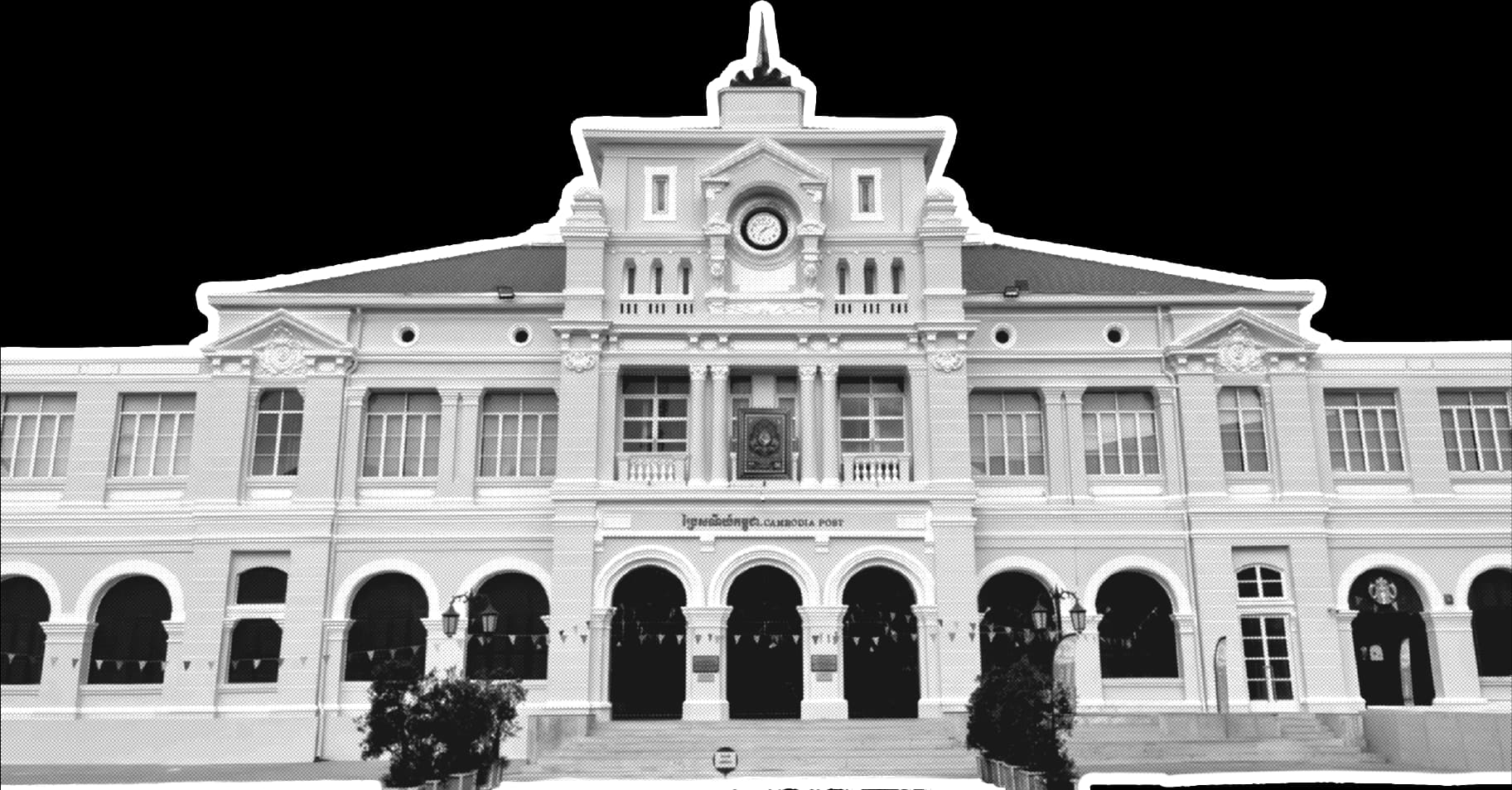
Cambodia PostPhnom Penh1895 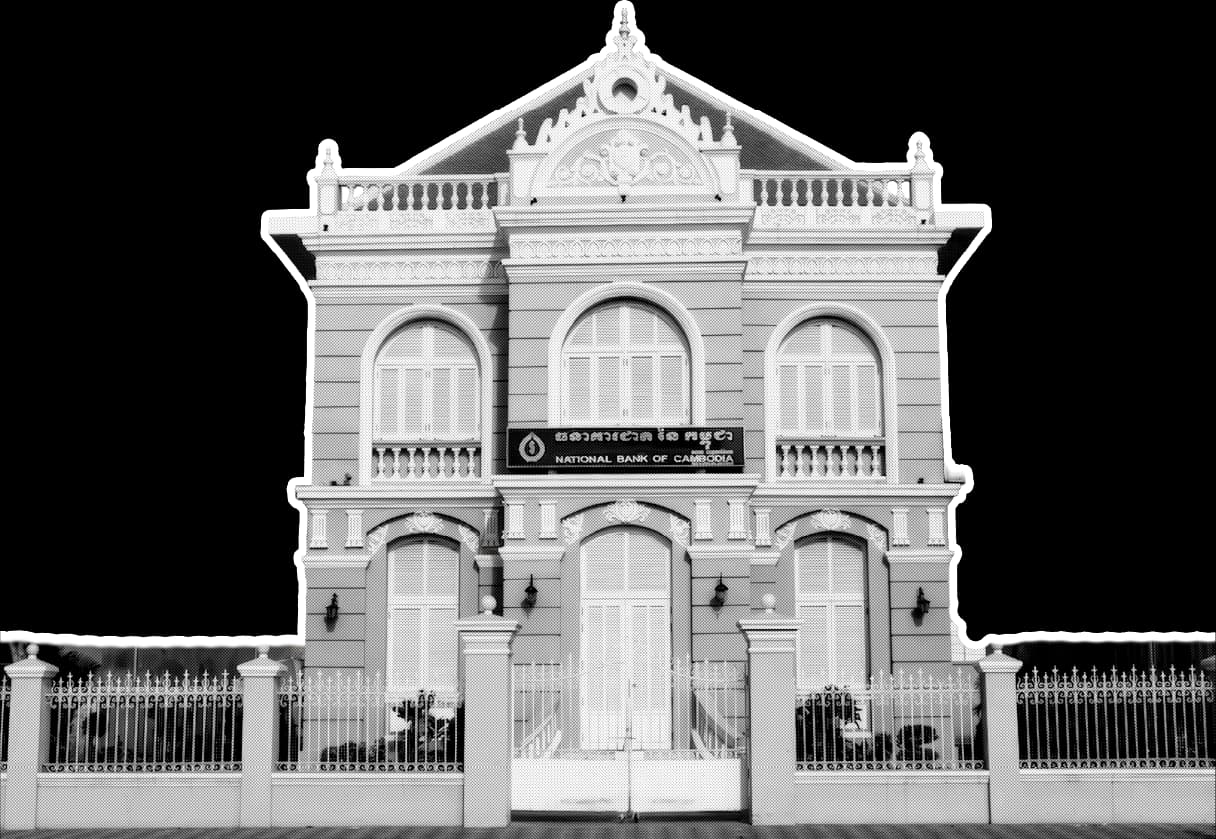
National Bank of CambodiaBattambang Province~ Circa 1900s 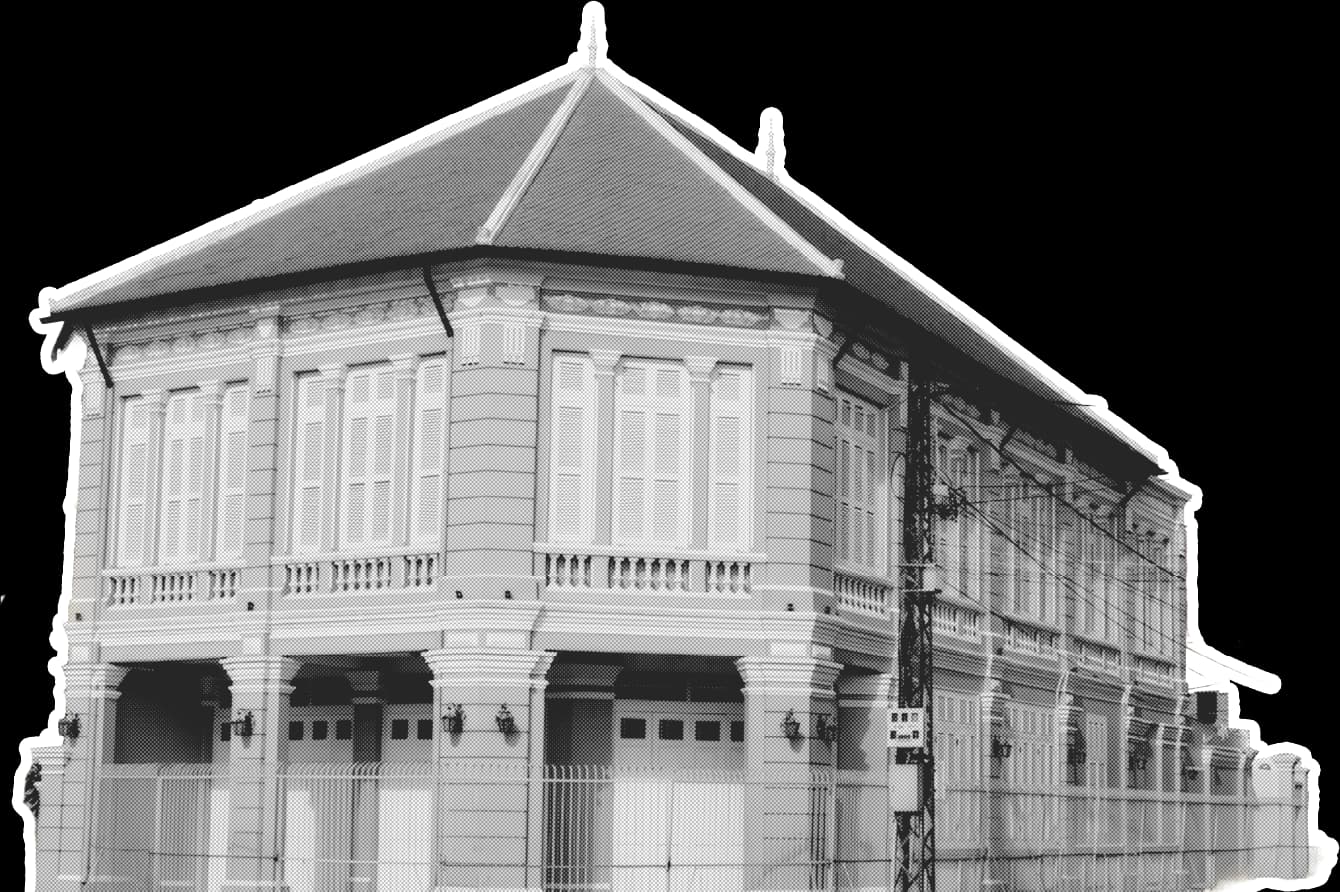
French Colonial BuildingsBattambang Province~ Circa 1900s 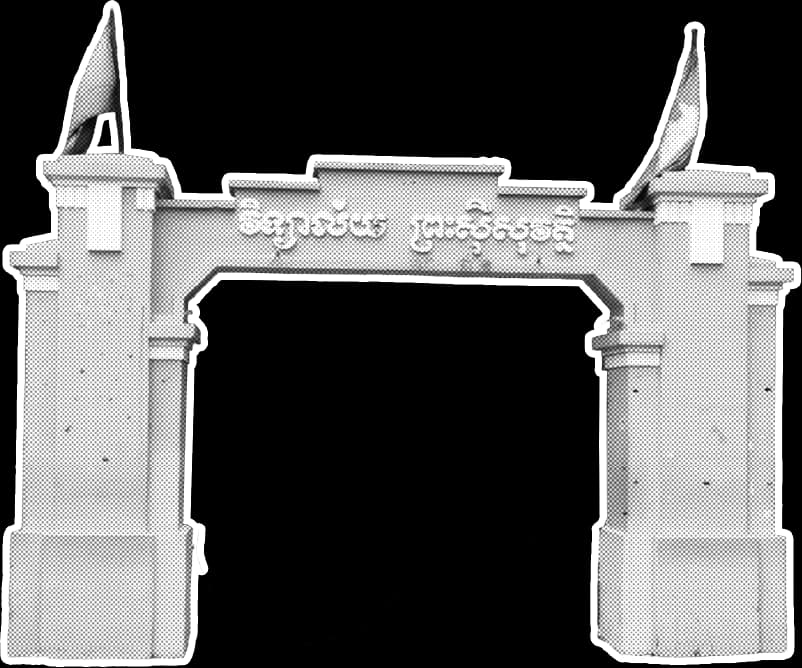
Preah Sisowath High SchoolPhnom Penh1873

Vann Molyvann
First fully qualified Khmer architect to graduate from France