
Chapter 02
La Francophonie & the Summits
What La Francophonie is, its founders and its four missions, and every summit from Paris 1986 to Phnom Penh 2026.

What is Francophonie?
The Francophonie is first and foremost a group of women and men who share a common language, French. The latest report from the Observatoire de la langue française, published in 2026, estimates their number at 396 million speakers.
It is also an institutional framework dedicated to promoting French and implementing political, educational, economic, and cultural cooperation within the 90 member states and governments of the International Organisation of La Francophonie (OIF).
Founders of Francophonie
Les fondateurs de la Francophonie
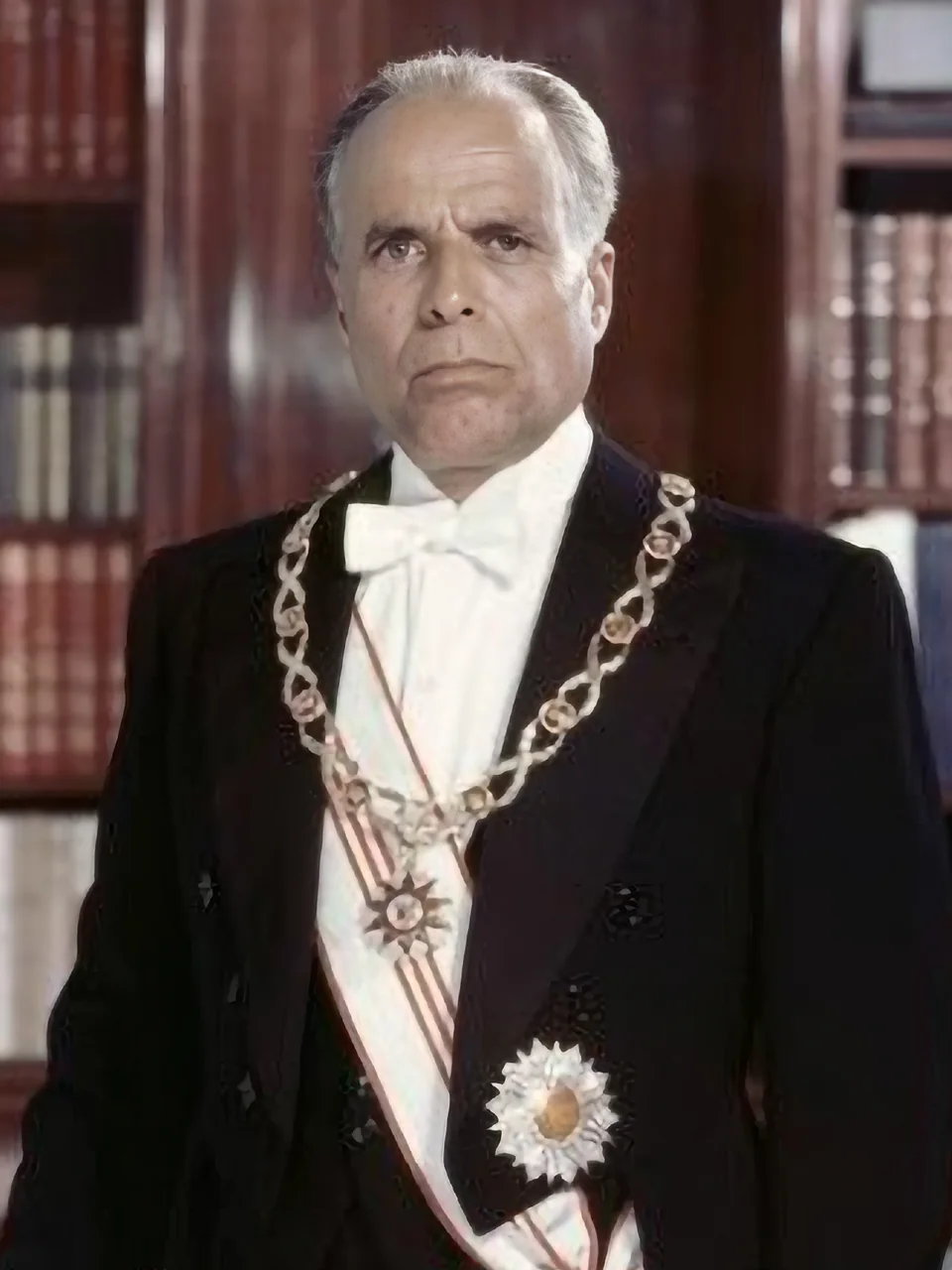
Habib BourguibaFormer President of Tunisia 
Habib Bourguiba (1903–2000) was a lawyer and nationalist leader who became Tunisia’s first president in 1957 and remained in office until 1987. He co-founded the Neo-Destour party with other nationalists in 1934 and played a central role in Tunisia’s struggle for independence, achieved in 1956. Under his leadership, Tunisia expanded education and adopted the Personal Status Code in 1956, which strengthened women’s legal rights and prohibited polygamy. At the same time, his government restricted political pluralism and maintained strong one-party control. Bourguiba supported cooperation among French-speaking countries, and the OIF recognizes him as one of the four founding fathers of the institutional Francophonie.
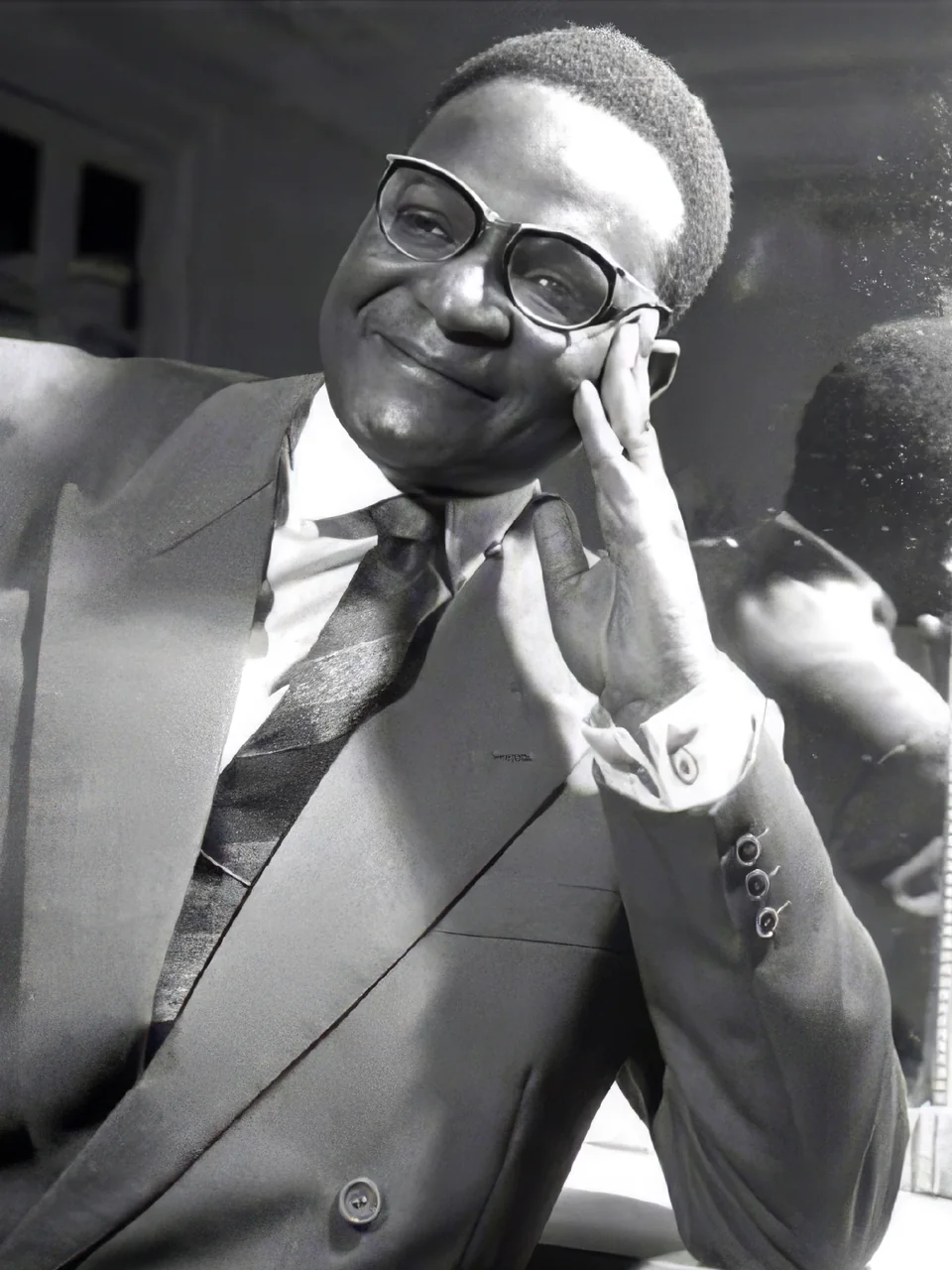
Hamani DioriFormer President of Niger 
Hamani Diori (1916–1989) was a teacher and politician who became Niger’s first president when the country gained independence in 1960. Before independence, he represented Niger in the French National Assembly and became a leading figure in the Nigerien Progressive Party. As president, he promoted regional diplomacy and cooperation among French-speaking African countries. Niger hosted important Francophonie meetings in Niamey, including the conference at which representatives of 21 states and governments created the ACCT on 20 March 1970. Today, the OIF recognizes him as a founding father of the Francophonie.
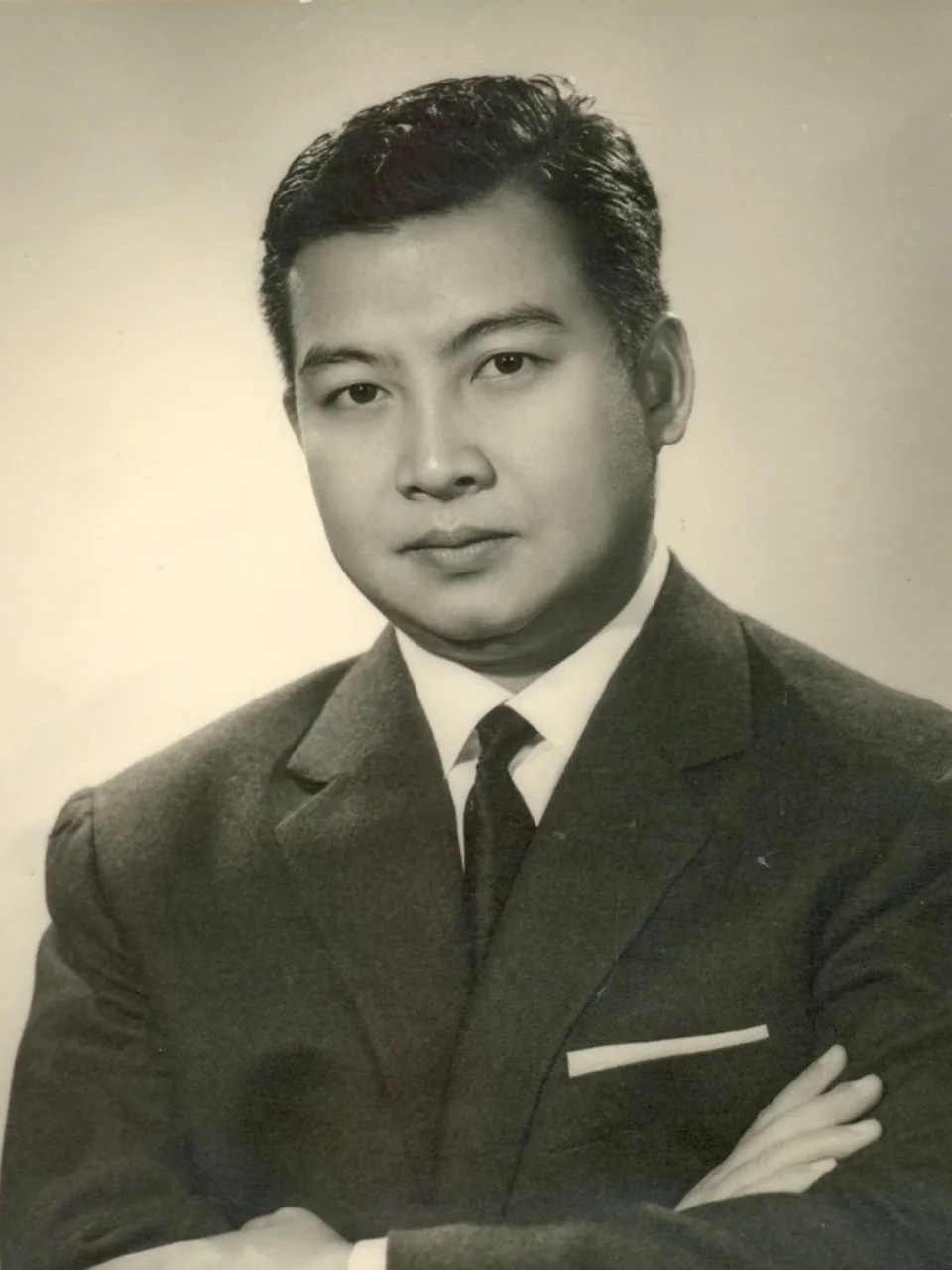
Norodom SihanoukHis Majesty the late King Father of Cambodia 
Norodom Sihanouk is best remembered as Cambodia’s independence-era monarch, but he was also a founding figure of institutional Francophonie. Educated in French colonial schools, he became fluent in French and moved comfortably in international diplomatic and cultural circles, even while leading Cambodia’s fight for independence from France, achieved in 1953. He drew a clear distinction between opposing French colonial power and valuing the French language as a useful diplomatic and cultural tool: writing, filmmaking, and composing music that projected Cambodian identity to the world. In the late 1960s, Sihanouk joined Léopold Sédar Senghor, Habib Bourguiba, and Hamani Diori in founding what became the Organisation internationale de la Francophonie, established in Niamey in 1970, reimagining French as a language of cooperation among equals rather than colonial dominance. Cambodia later joined the OIF in 1993 and took part in Asia’s first Francophonie Summit, held in Hanoi in 1997. Now, in November 2026, Cambodia will host the 20th Francophonie Summit in Phnom Penh, a fitting, full-circle tribute to Sihanouk’s founding role in shaping French from a colonial legacy into a bridge between independent nations.
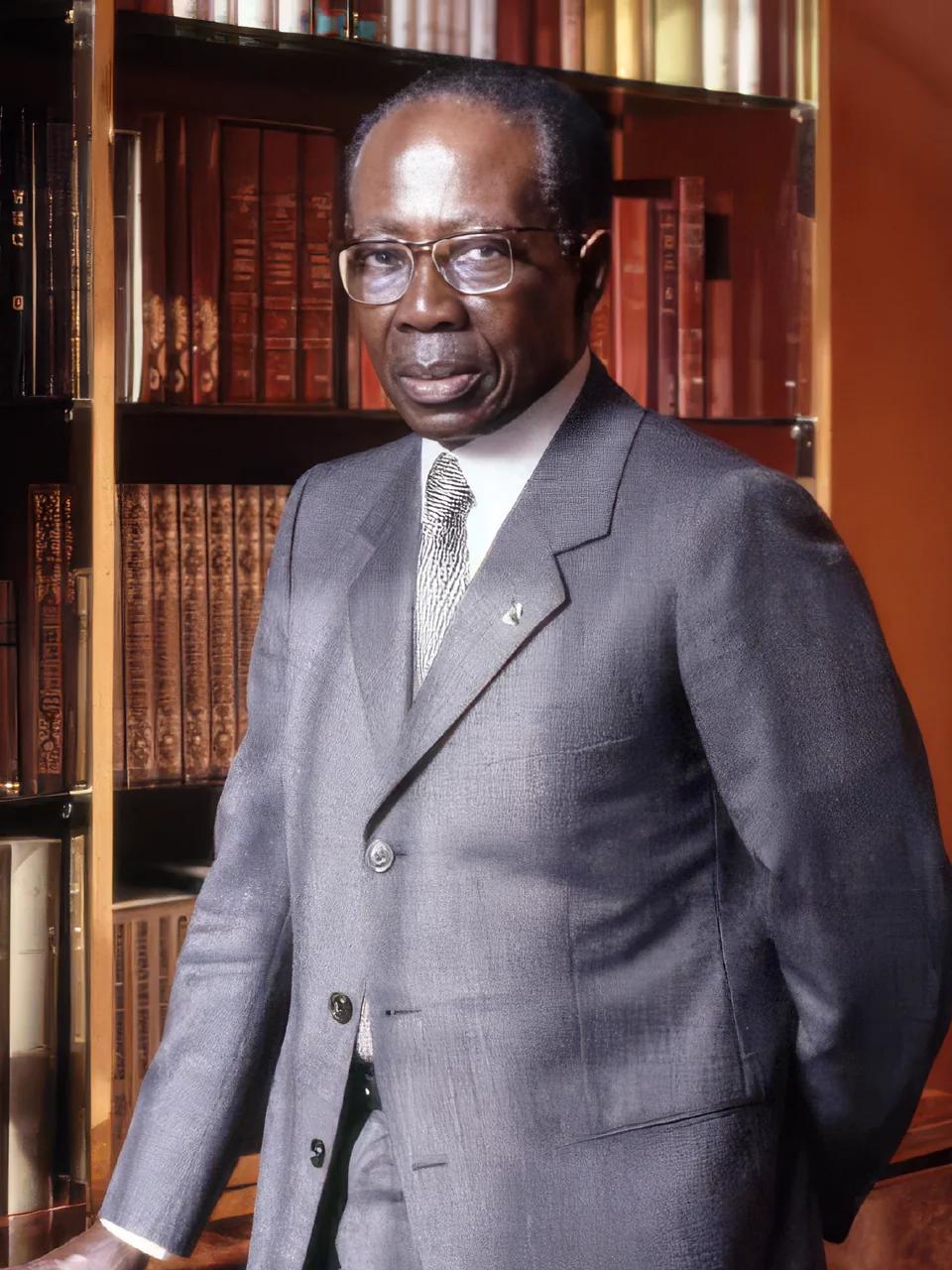
Léopold Sédar SenghorFormer President of Senegal 
Léopold Sédar Senghor (1906–2001) was a poet, teacher, and statesman who served as Senegal’s first president from 1960 to 1980. While living in Paris during the 1930s, he helped develop Négritude, a literary and intellectual movement affirming Black identity and culture. He viewed the shared use of French as a means of dialogue and cooperation between cultures while also defending African cultural identity. Together with Bourguiba, Diori, and King Sihanouk, he promoted the institutional Francophonie that led to the creation of the Agency for Cultural and Technical Cooperation (ACCT) in Niamey in 1970. In 1983, he was elected to the Académie française in recognition of his literary and cultural importance.
International Organisation of La Francophonie (OIF)
Organisation internationale de la Francophonie
Basic Information
- Founded
- 20 March 1970
- Founders
- Léopold Sédar Senghor former President of Senegal
- Habib Bourguiba former President of Tunisia
- Hamani Diori former President of Niger
- His Majesty the late King Father Norodom Sihanouk of Cambodia
- Headquarters
- Paris, France
- Members
- 90 member states and governments (53 full members, 5 associate members, and 32 observers)
Mission
Its mission is to build active solidarity between its member states and governments and to contribute to improving the standard of living of its populations. It supports its members in developing or consolidating their policies and carries out international political activities and multilateral cooperation in accordance with the four major missions established by the Francophonie Summit:
- Promote the French Language and Cultural and Linguistic Diversity
- Promote Peace, Democracy and Human Rights
- Support Education, Training, Higher Education and Research
- Develop Cooperation for Sustainable Development
Promote the French Language and Cultural and Linguistic Diversity
Promouvoir la langue française et la diversité culturelle et linguistique
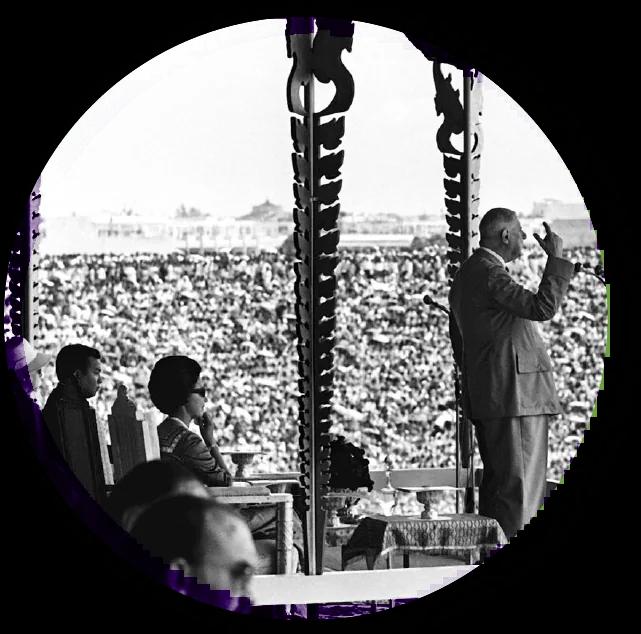
His Majesty the Late King-Father Norodom Sihanouk played a pivotal role in preserving and promoting the French language in Cambodia. Fluent in French and deeply attached to Francophone culture, he recognized the diplomatic and cultural influence that mastery of the language could provide. His commitment to the Francophone ideal led him to become one of the founding figures of the modern Francophonie movement. His vision helped ensure that Cambodia remained an active member of the Francophone community despite periods of conflict.
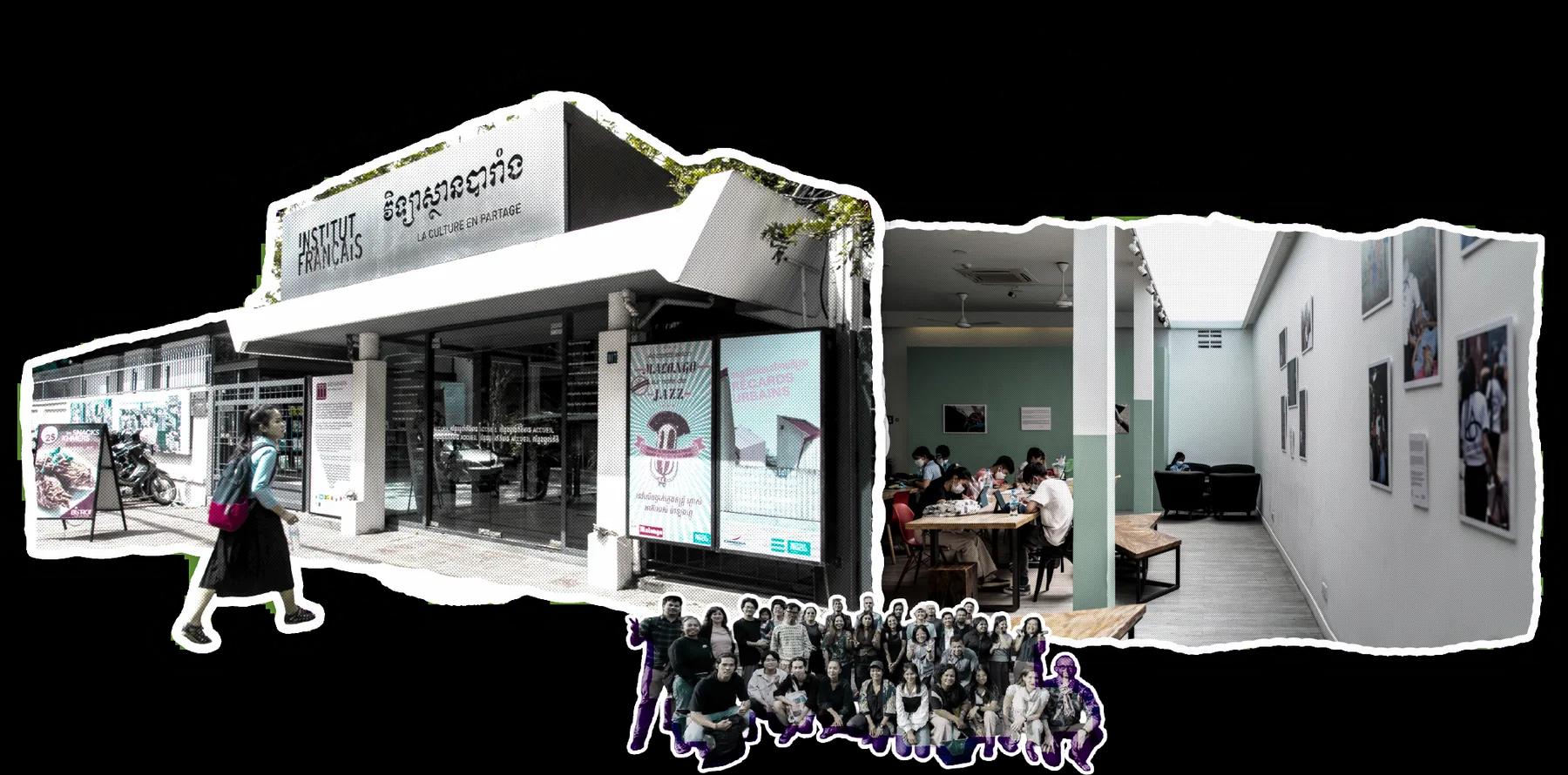
French is currently the world’s fourth most widely spoken language, with approximately 396 million speakers worldwide. In Cambodia, French played a central role during the Protectorate period (1863–1953) and remained the country’s principal language of diplomacy, education, and administration throughout much of the 1960s. After several decades of decline, the language has experienced renewed interest, particularly among young people seeking opportunities in higher education, international relations, and professional careers.
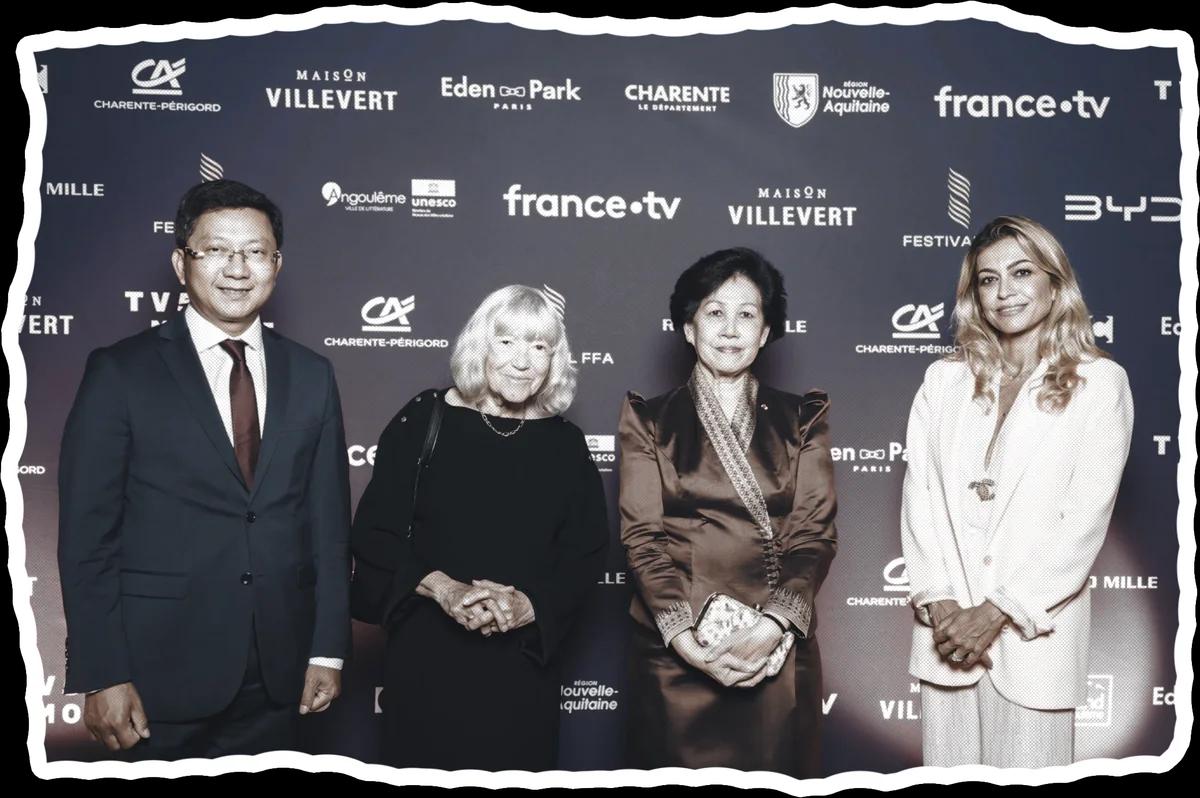
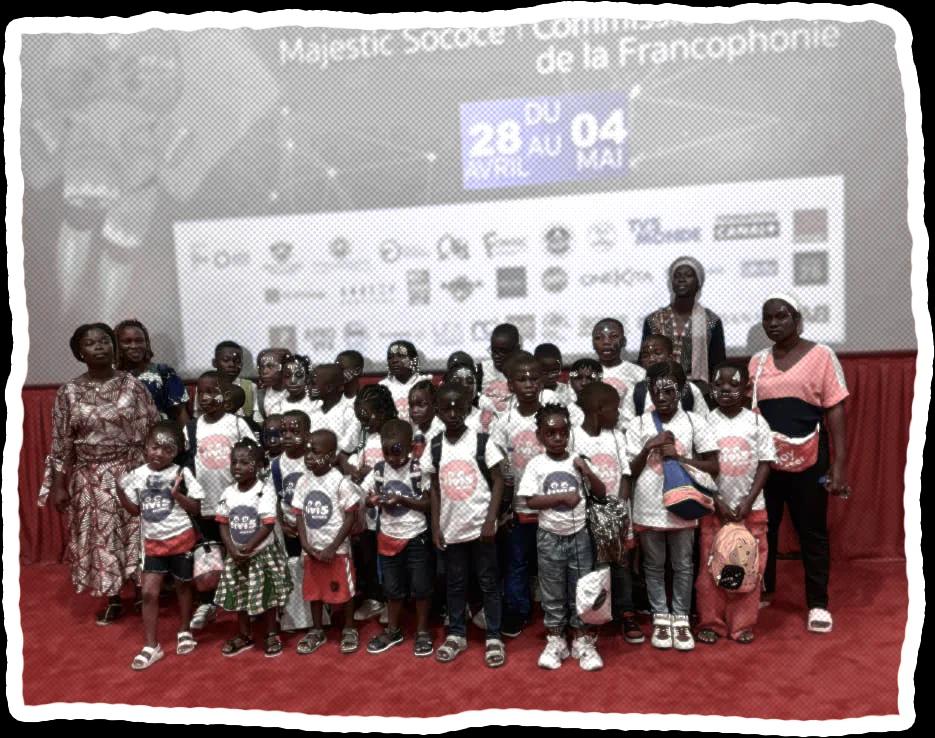
Culture lies at the heart of the Francophone project. The organization supports artists, protects cultural heritage, and encourages media initiatives that celebrate linguistic and cultural diversity.
TV5MONDE is a leading international broadcaster that promotes the French language and Francophone culture around the world.

Promote Peace, Democracy and Human Rights
Promouvoir la paix, la démocratie et les droits de l’Homme
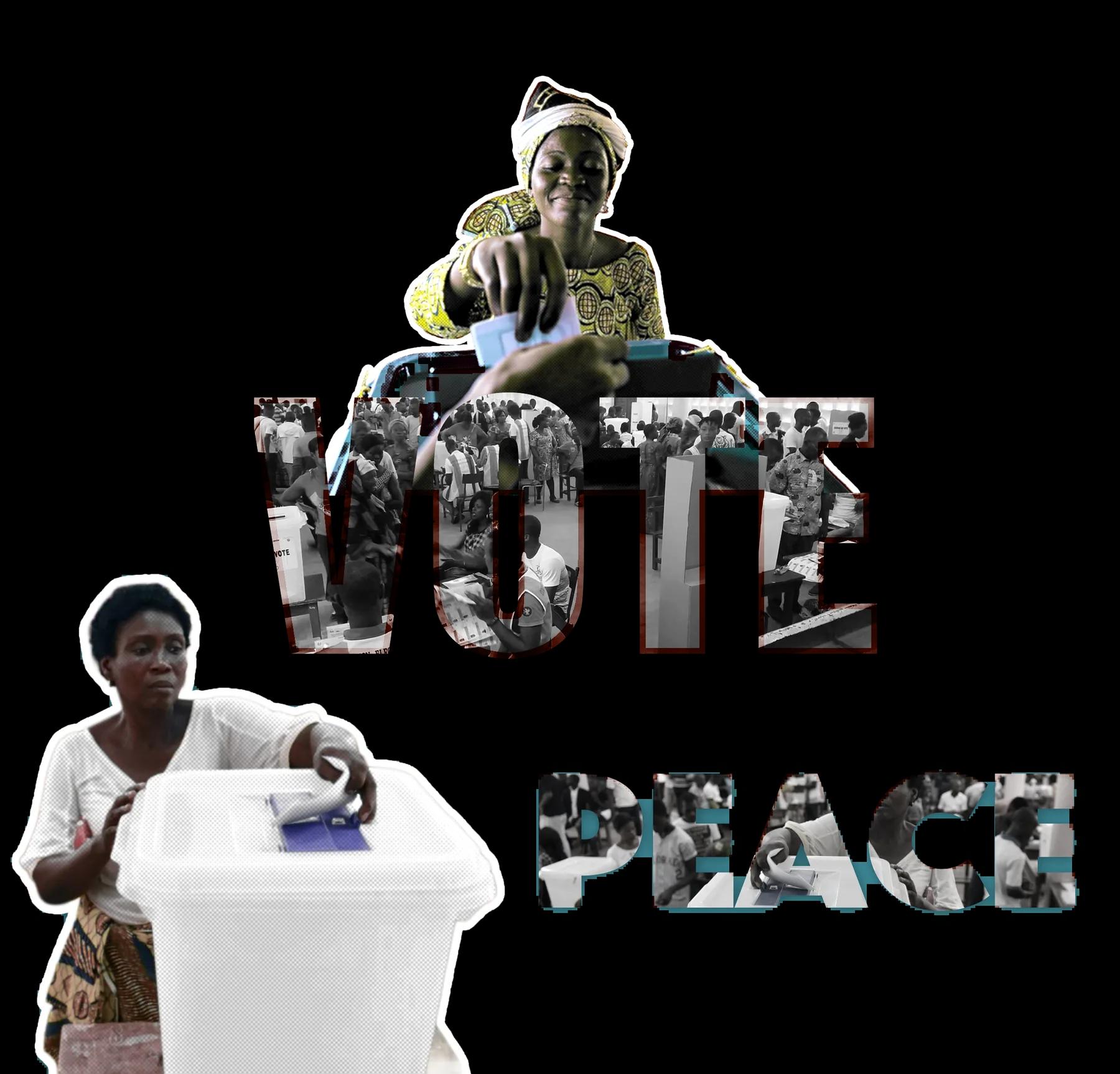
The Francophonie contributes to democratic governance through election observation, institutional strengthening, and the promotion of human rights.
Its political activities also include conflict prevention, mediation, and peacebuilding efforts in regions facing political instability or crisis.
Develop Cooperation for Sustainable Development
Développer la coopération au service du développement durable
Economic solidarity is a growing pillar of Francophonie. The organization promotes entrepreneurship, trade, and investment across French-speaking regions.
FrancoTech
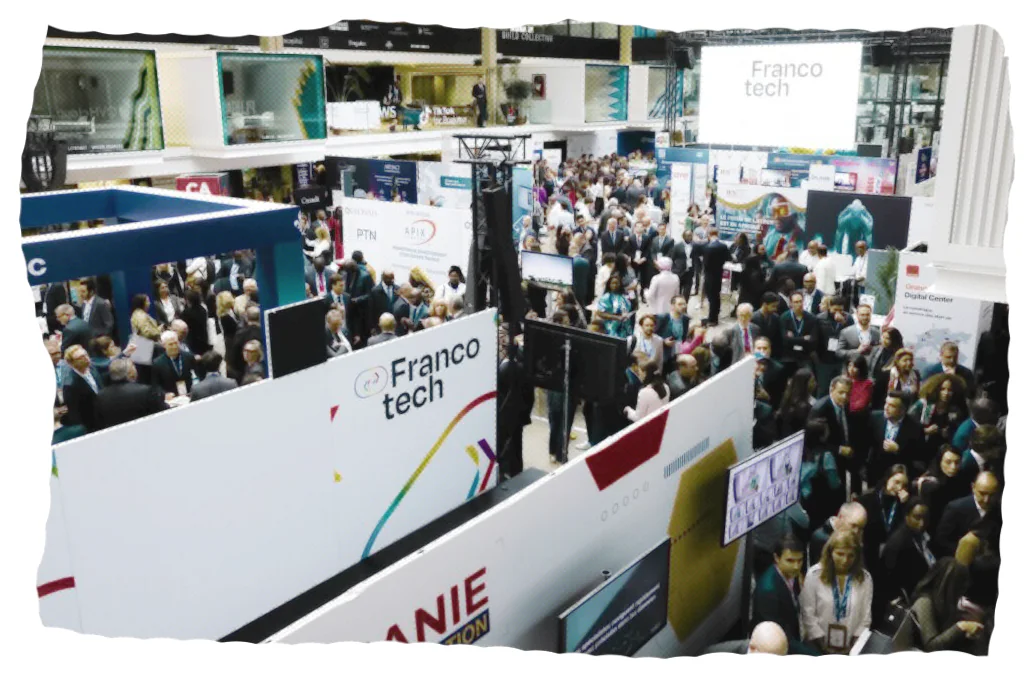
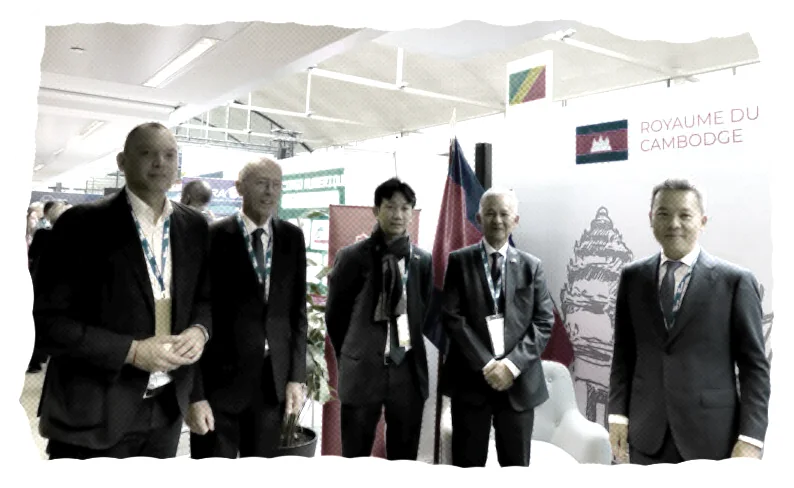
FrancoTech seeks to strengthen the Francophone economic space by encouraging innovation, supporting entrepreneurship, and facilitating business partnerships. It showcases the economic potential of Francophone markets and demonstrates the growing importance of technology and digital transformation within the Francophone world.
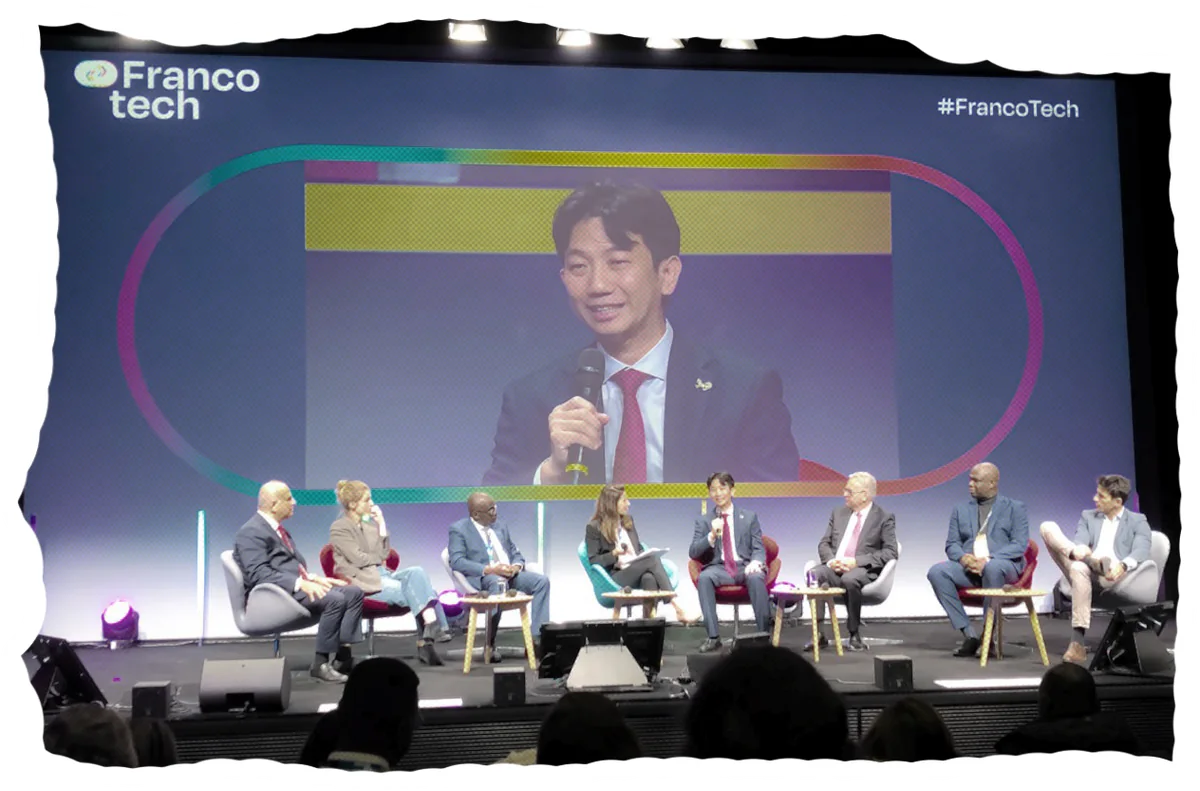
The roundtable discussions focus on 7 themes
 AI Opportunities
& Governance
 Digital Government
 FinTech &
Financial Inclusion
 AgriTech &
Food Security
 Digital Startup
& Innovation
 Women in Innovation
 Tech for Tourism
& Culture
Support Education, Training, Higher Education and Research
Soutenir l’éducation, la formation, l’enseignement supérieur et la recherche
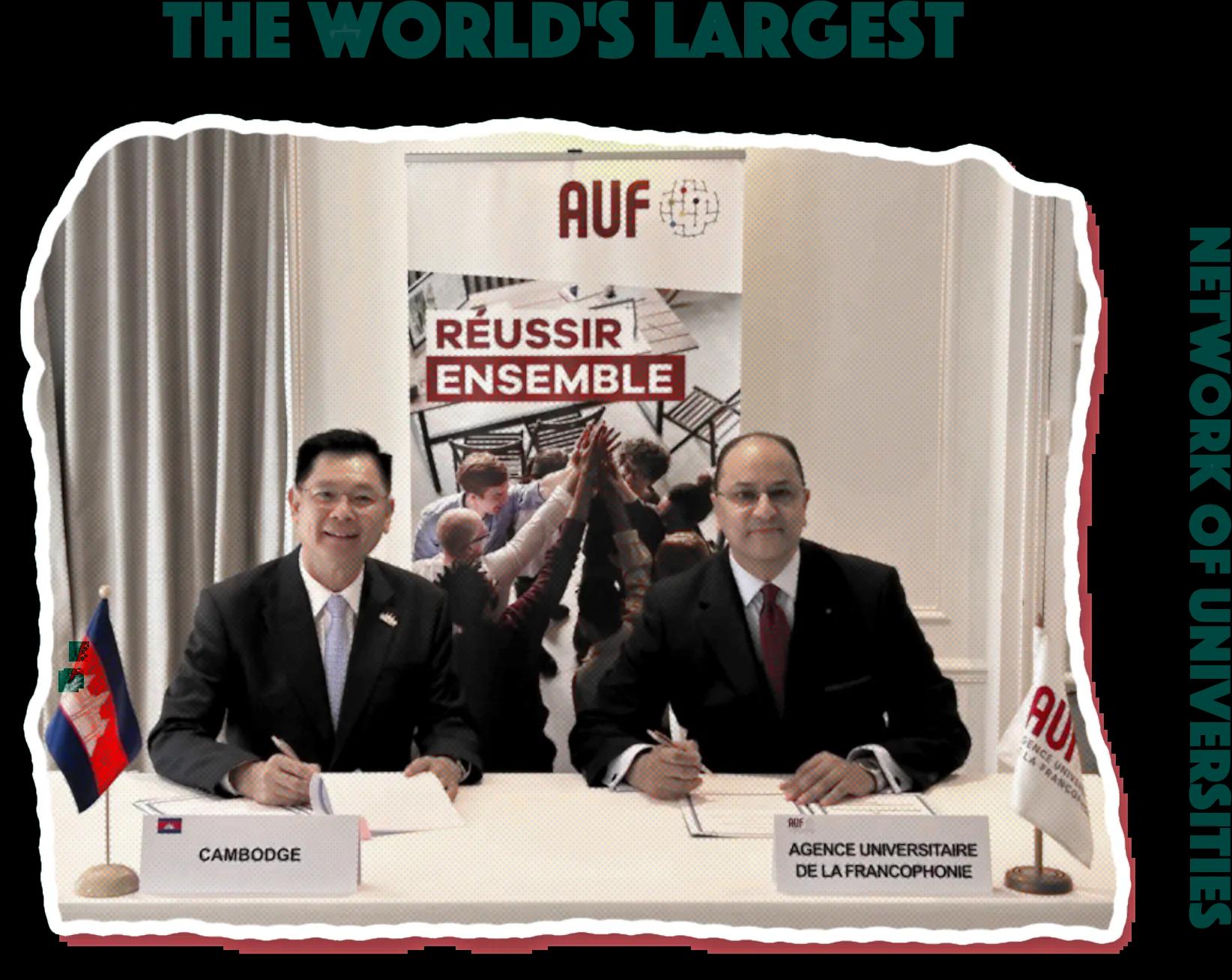
Agence Universitaire de la Francophonie (AUF)
The AUF is the world’s largest network of universities and research institutions. It supports academic cooperation, research excellence, student mobility, and innovation throughout the Francophone world.
The Kingdom of Cambodia
Cambodia is honored to host the 20th Francophonie Summit for the first time in its history.
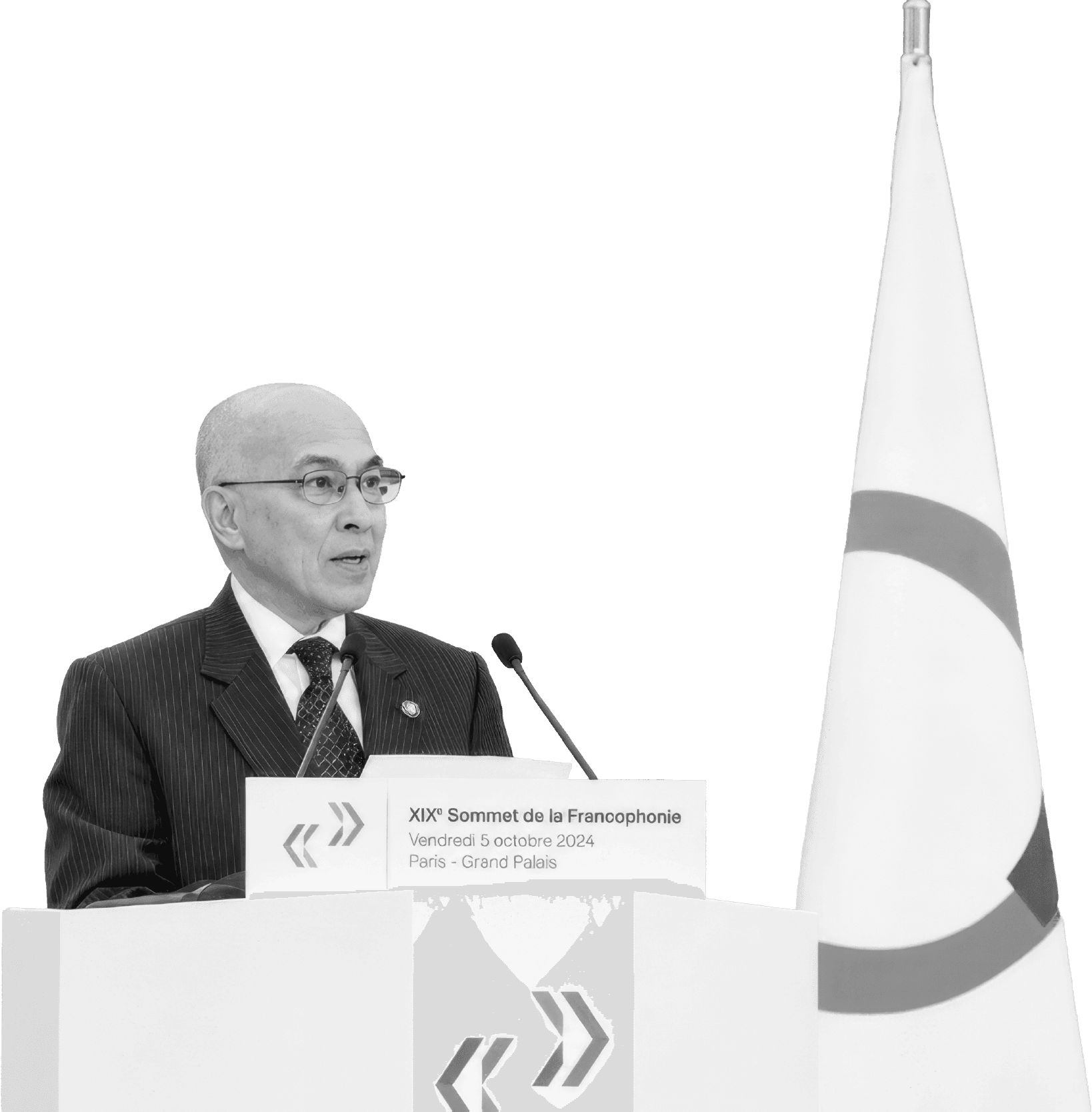
From 13–17 November 2026
Cambodia welcomes the world to the Village de la Francophonie, the most vibrant and public-facing celebration of the 20th Francophonie Summit, under the theme:
«ស្នាមញញឹមខ្មែរនឹងក្លាយជាស្នាមញញឹមហ្វ្រង់កូហ្វូនី»
“The Khmer Smile will be the Smile of Francophonie”

Side Event of the 20th Francophonie Summit 2026
Événement parallèle du XXe Sommet de la Francophonie 2026
Set in the scenic Wat Botum Vatey Garden, this five-day event will transform the heart of Cambodia into a living showcase of culture, dialogue, and solidarity across the Francophone world with around 90 national pavilions, gastronomy, performances, and thematic events.


Francophonie Summits
Sommets de la Francophonie
- 19861st
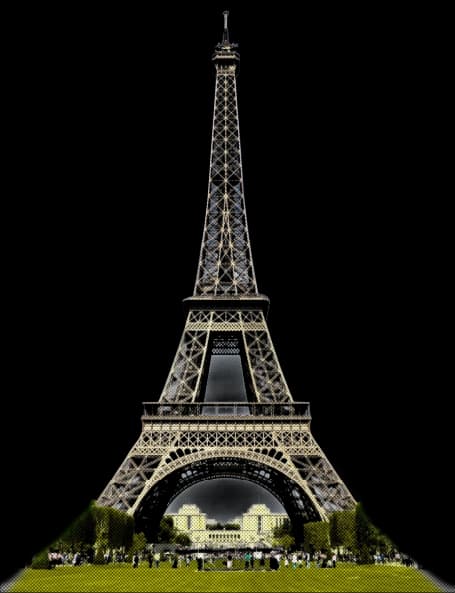 FranceParis
- 19872nd
 CanadaQuebec
- 19893rd
 SenegalDakar
- 19914thFranceParis
- 19935th
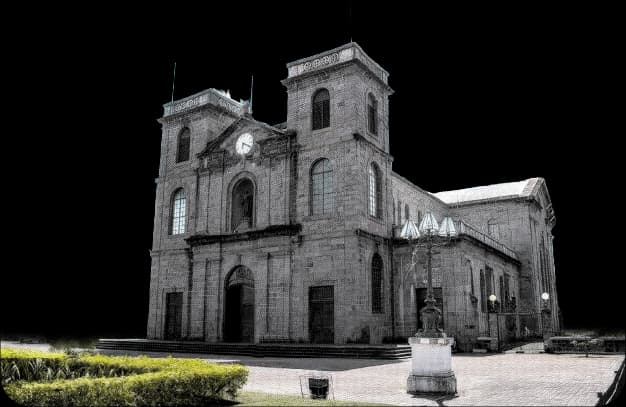 MauritiusGrand-Baie
- 19956th
 BeninCotonou
- 19977th
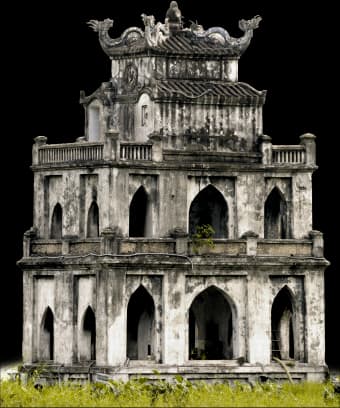 VietnamHanoi(First time in Asia)
- 19998th
 CanadaMoncton
- 20029th
 LebanonBeirut
- 200410th
 Burkina FasoOuagadougou
- 200611th
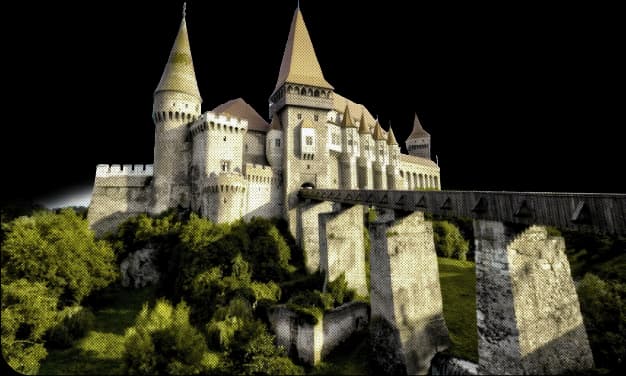 RomaniaBucharest
- 200812thCanadaQuebec
- 201013th
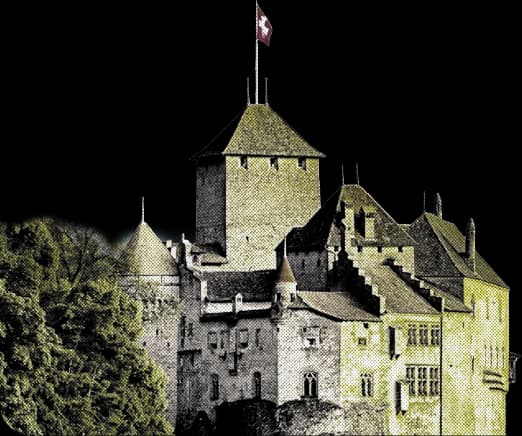 SwitzerlandMontreux
- 201214th
 Democratic Republic of the CongoKinshasa
- 201415thSenegalDakar
- 201616th
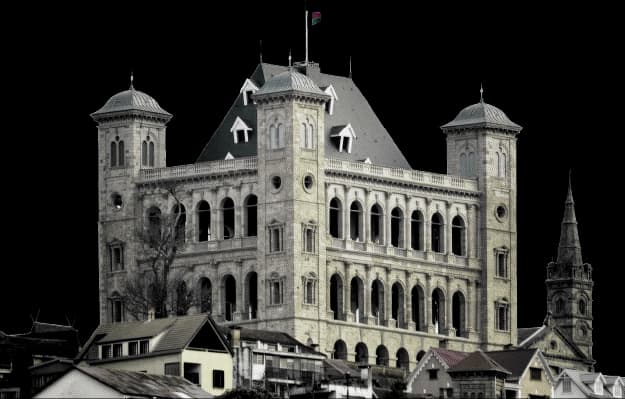 MadagascarAntananarivo
- 201817th
 ArmeniaYerevan
- 202218th
 TunisiaDjerba
- 202419thFranceVillers-Cotterêts and Paris
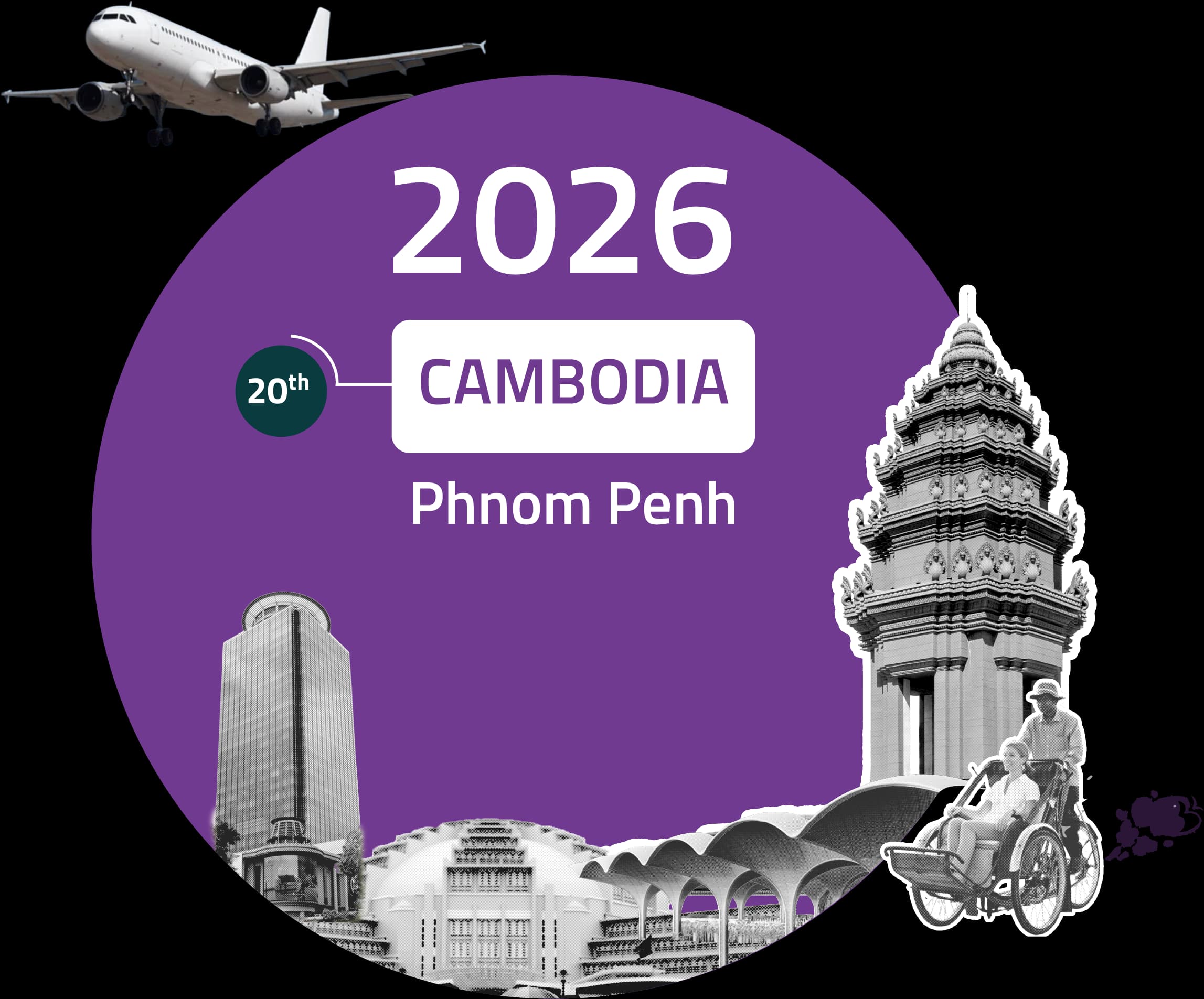
The Francophonie is being hosted in Asia for the second time, with Cambodia hosting it for the first time.